

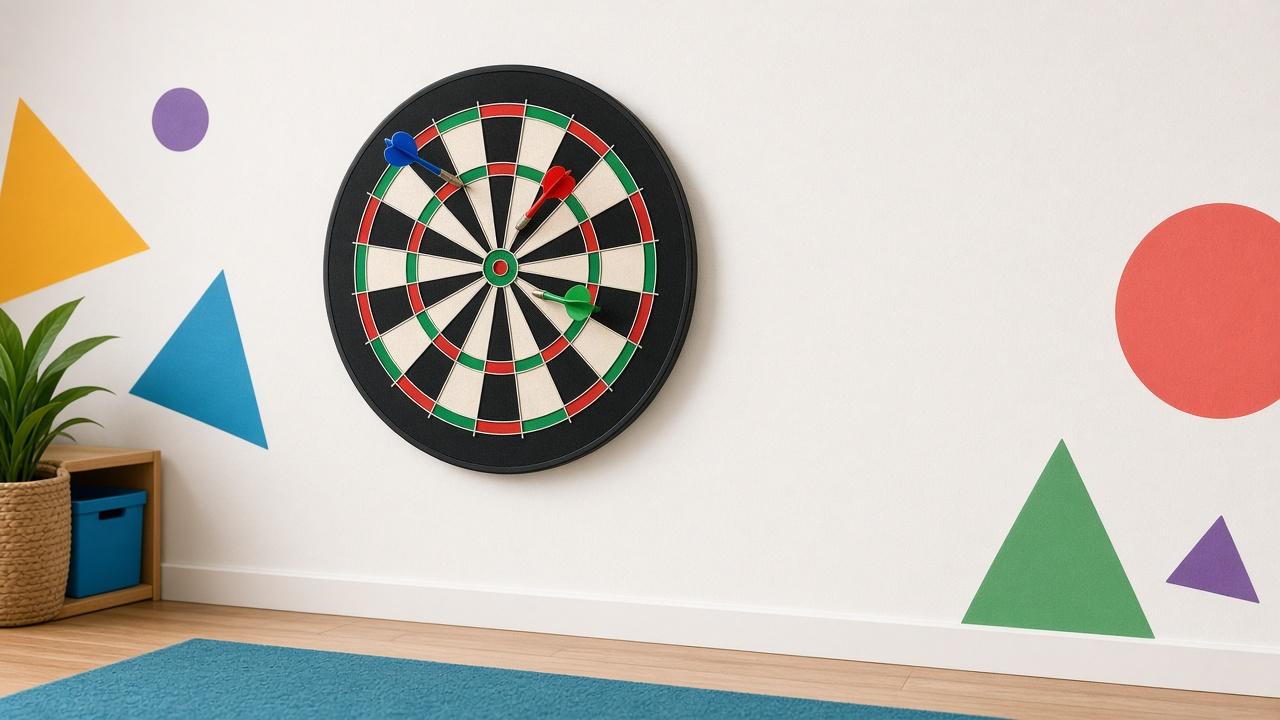
Young players pick up darts quickly when fun and safety align. Pressure and endless triple blocks usually slow them down instead.
Safety first
- keep distance while others throw
- surround and solid mounting
- suitable dart weights, no damaged equipment experiments
- clear rules at the board
Home setup tips: Set up a dartboard at home.
Age-appropriate sessions
Shorter blocks, playful targets, plenty of variety. Around the Clock and team challenges beat pure score chasing. Drill base: Darts training drills.
Role of club and coach
Clubs with youth programmes and patient coaches are valuable. Search via darts clubs and coaches. Parents should celebrate progress, not only average.
Keeping motivation
Small goals, visible wins, tournaments only when enjoyment is stable. Match practice later via events.
Equipment for young players
Lighter darts and shorter stems often feel better in smaller hands. Let them test two weights before you buy a full set. Flights should sit stable; wobble usually means a grip or stem issue, not “bad luck.”
Parents: what helps, what hurts
Helpful: driving to training, quiet encouragement, celebrating small wins. Harmful: comparing averages to adults, long sessions after a bad school day, pushing league play before they ask for it.
If a club lists youth training on its profile, read the times and ask who supervises the oche when several kids throw.
Linking fun and structure
Once basics feel safe, add one structured drill per session from the drills guide. Keep scores private at first if that reduces stress. A coach who enjoys working with juniors can set gentle milestones.
FAQ
Working with schools and teachers
Tell teachers if your child competes at weekends so homework load stays realistic. Some schools welcome darts as a precision sport in sport weeks when clubs send a coach.
School and sport balance
One or two darts sessions per week plus school sport is plenty for most juniors. Watch for tired arms and skipping homework to throw. Rest days matter as much as drill days.
Conclusion
Safety, short sessions, and a positive room. Technique follows. Structure helps; pressure hurts. When they are ready for louder rooms, try a venue or tournament with a coach or club chaperone.